

The Sneaky Little Things That Are Costing You Sales
The Sneaky Little Things That Are Costing You Sales
Believe it or not, in retail you can do a lot right and still miss the mark. Most owners focus on the big things, including buying great product, hiring loyal staff, and serving customers.
These are all great main focuses, but there are still smaller details that quietly shape the shopping experience. Things that often go unseen or unnoticed in the day-to-day when you’re busy running a business.
These details may seem minor, but they can make the difference between someone “just looking” and actually buying.
Here are a few I often see.
1. Lighting
Lighting can be one of the most overlooked details in retail. The two things that matter most are temperature (Kelvin) and brightness (lumens). Temperature determines whether your store feels warm and inviting or harsh and clinical. Brightness determines whether your product actually stands out.
Many store owners simply use the lighting that existed before they moved in or whatever an electrician installed. But electricians are focused on function, not necessarily how lighting helps your brand and product look their best.
The right lighting should highlight your merchandise, create a mood, and make customers feel comfortable spending time in your space. If your product isn’t lit well, it might not be selling.
2. Window Displays
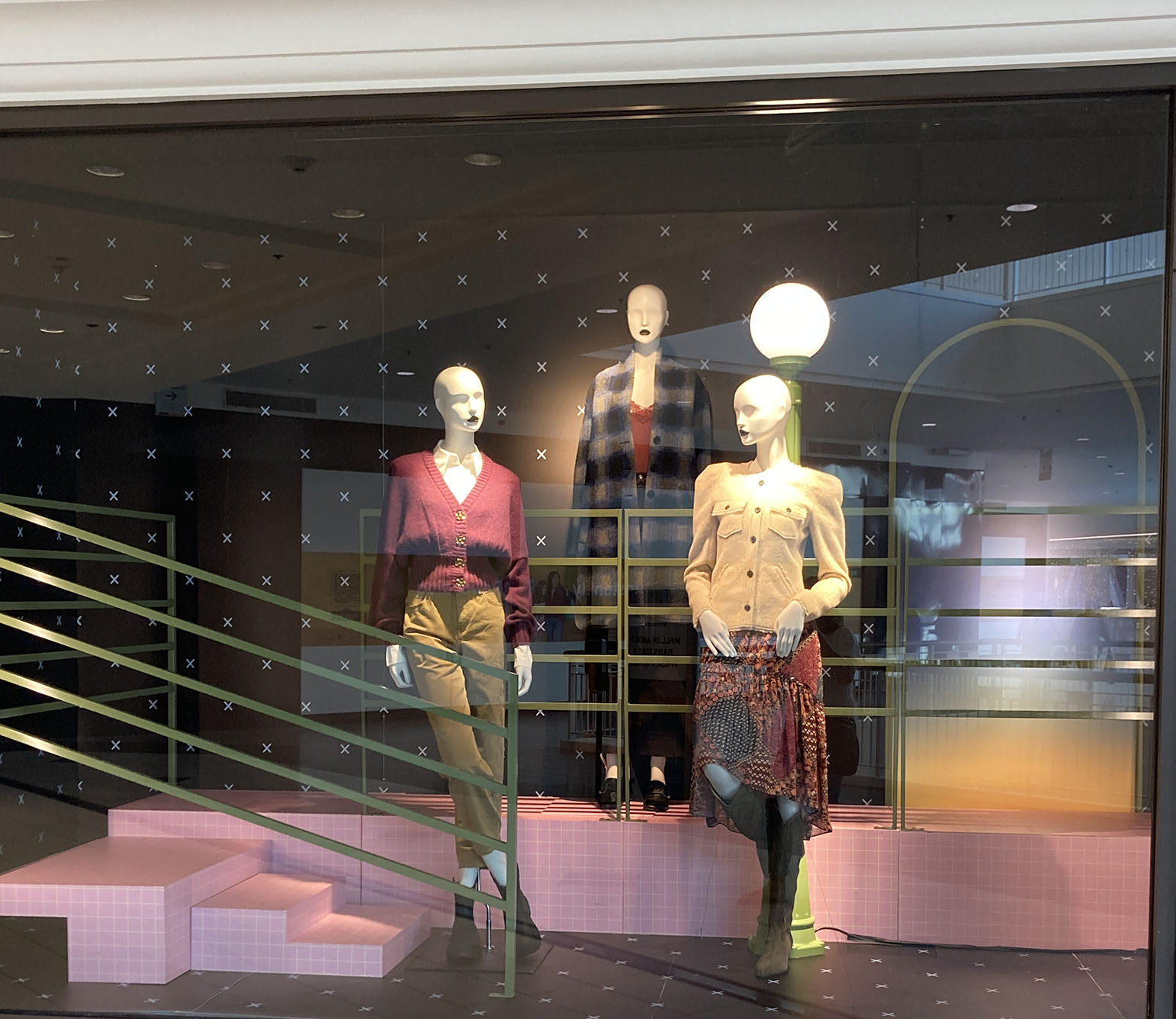
Your window display is often the first interaction someone has with your brand. If it isn’t a priority, or it’s just an “ehh” moment as people walk by, you’re missing the opportunity to bring customers through the door.
A good window quickly tells people three things:
- what you sell
- who you are as a brand
- why a customer should come inside
When done well, a window display doesn’t just decorate the storefront. It creates curiosity and invites people in.
I actually wrote an entire post about this because it’s that important. (You can check that one out here.)
3. Fitting Rooms
Once a customer steps into the fitting room, you’re incredibly close to making the sale. Studies often show that customers who try something on are significantly more likely to purchase than those who don’t. But the fitting room experience matters more than most stores realize.
It needs to feel comfortable, private, well lit, and a little bit enjoyable (maybe even something unexpected). The truth is, most people don’t love trying on jeans. So once they are, how do you make the experience great?
I was just in a fitting room recently where the lighting was so bright and harsh that I could barely tell if what I tried on actually looked good. I actually liked the piece, but the lighting made it almost impossible to see if it was flattering. That lighting shaped my decision, and I decided to walk away without buying.
The fitting room is a powerful moment in the shopping journey. It’s where someone goes from maybe to yes.
4. Lacking Clear Storytelling
A store can have beautiful product and still feel overwhelming or cluttered. This often happens when tables, focal points, and walls are packed with items but there’s no clear story tying them together.
For example, a front table labeled “new arrivals” might sound like a great idea. But without a theme, color story, or styling direction, it can quickly feel messy.
When everything is presented equally, nothing stands out. Storytelling through merchandising helps customers understand:
- what pieces go together
- how they might wear them
- why they might want more than one item
Without that story, it’s just product sitting next to more product. When you guide customers toward what to buy together through thoughtful visual merchandising, you naturally increase cart size.
5. Missing a Good Cleaning
No one enjoys walking into a messy house, and the same is true for businesses. If there is dust on shelves, smudged mirrors, scuffed displays, or fingerprints on glass, customers may not consciously notice these things, but they absolutely feel them.
The moment something looks neglected, the perceived value of the product drops. If someone picks up an item and sees a ring of dust where it used to sit, that small moment can quietly break the buying experience.
Clean, organized spaces signal care, quality, and pride in what you’re selling.
The Takeaway
None of these things require a major renovation or a big budget. Often it’s simply about paying closer attention to the details and being more intentional about how the store comes together overall. That’s really what visual merchandising is at its core.
These are the kinds of things that can be adjusted, improved, and refined with the right visual merchandising strategy. Because small details shape the shopping experience. The shopping experience shapes the sale.
Sometimes a few thoughtful changes are all it takes to turn browsing customers into buying ones.
I want the guide

Turn Don'ts into Do's: Window Display Edition
get your free guide
Discover the common mistakes that make customers keep walking and what to do instead. This free guide will help you fix them fast so more customers stop and step inside to see what you have to offer.
Are your window displays working for you or against you?
Are your window displays working for you or against you?
submit
Let's be friends!
Get the goods! Sign up for updates, tips, and inspiration delivered straight to your inbox.
Inbox friendship: activated.
Can’t wait to share ideas, tips, and good vibes with you!

